
Selling a manufacturing business.
Buyers look closely at what makes a manufacturer hard to replace: its capabilities, its customers and its people. We help owners present those strengths clearly and test them against a competitive field of buyers.
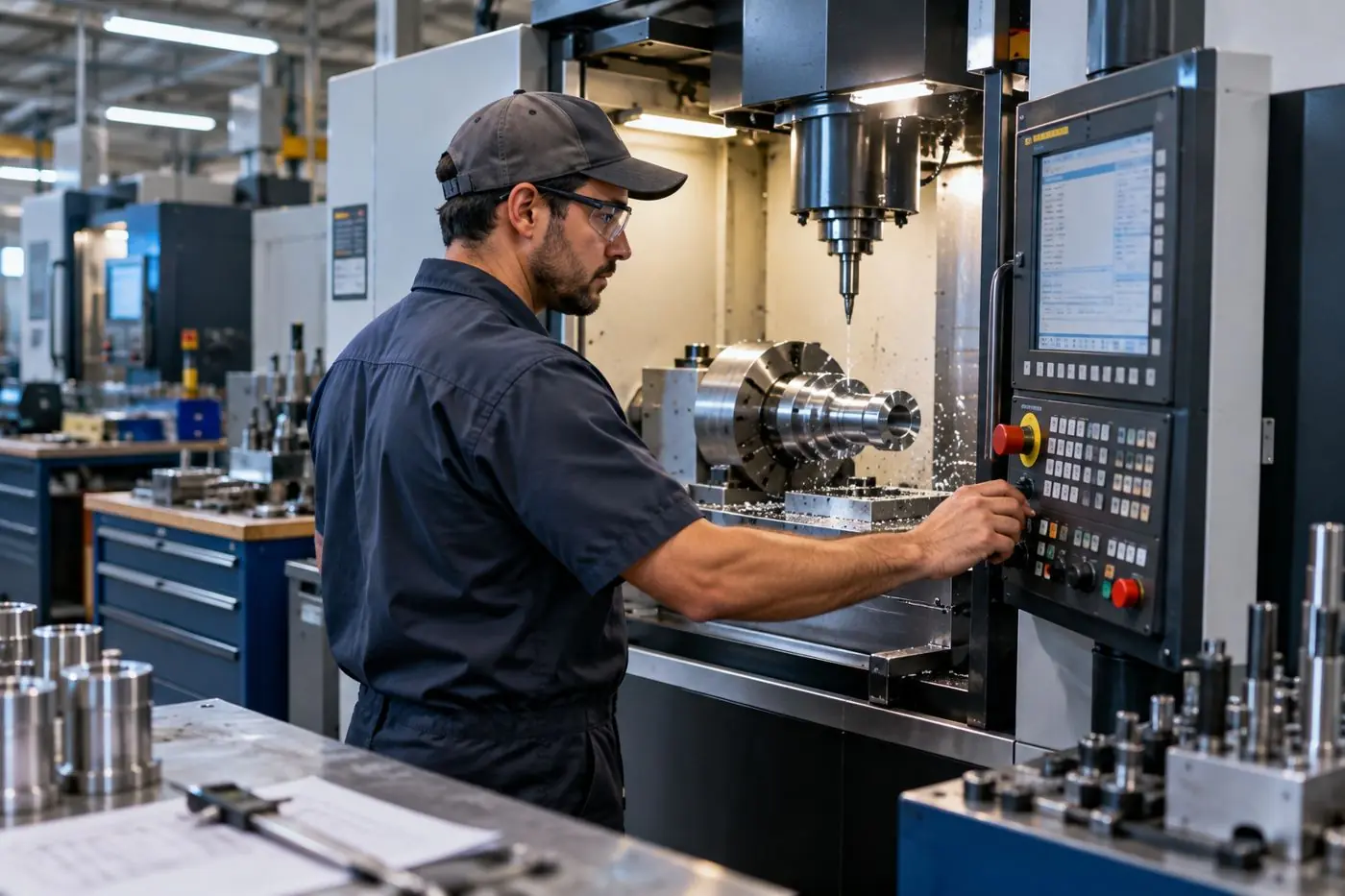
Owner-led manufacturers with engineering depth and loyal customers.
What shapes the value of a manufacturing business.
Capabilities and certifications
Specialised processes, equipment and quality certifications set a business apart from competitors.
Customer relationships
Long-standing accounts and a spread of customers across end markets reduce concentration risk.
Operations and capacity
Well-maintained equipment, documented processes and room to grow support a higher value.
Management depth
Supervisors and engineers who run production without the owner make the transition credible to buyers.
Selling Your Manufacturing Business: What Buyers Pay For
A 10-page guide for owners of manufacturers: what buyers pay, what moves the multiple, what they’ll ask for in diligence and how to prepare over the next 12–24 months.
- Typical multiples by size
- How buyers calculate value
- What raises and lowers your price
- Metrics and documents buyers request
- How deals are structured
- A 12–24 month preparation checklist
Questions manufacturing owners ask
What is my manufacturing business worth?
Owner-led manufacturers are usually valued on a multiple of adjusted EBITDA. Specialized capabilities, quality certifications, diversified customers and a management team that runs production without the owner push value toward the top of the range; customer concentration, deferred capital spending and owner dependence pull it down. A formal valuation looks at your margins, equipment, backlog and comparable transactions. Try our business value estimator for a quick range.
Who buys manufacturing companies?
Strategic acquirers adding capabilities or capacity, private equity firms building industrial platforms, independent sponsors, family offices and, for smaller businesses, experienced operators and management teams.
How long does it take to sell a manufacturing business?
A full sale process typically takes six to nine months from engagement to closing. Diligence on equipment, quality systems, environmental matters and working capital can add time, so preparing those records early helps.
Should I sell my real estate with the business?
It depends on your goals and the buyer. Many owners keep the property and lease it to the buyer at a market rent, which creates ongoing income; others sell it with the business. Decide early, because it affects price, structure and taxes.
How does customer concentration affect value?
If one customer accounts for a large share of revenue, buyers see risk. They may lower the price, tie part of it to that customer staying, or ask for contracts that secure the relationship.